Emersasommersa

For the Venice Pavilion at the 61st Venice Biennale, Scodro presents Emersasommersa, a site-specific installation that addresses the exhibition's "submerged dimension."

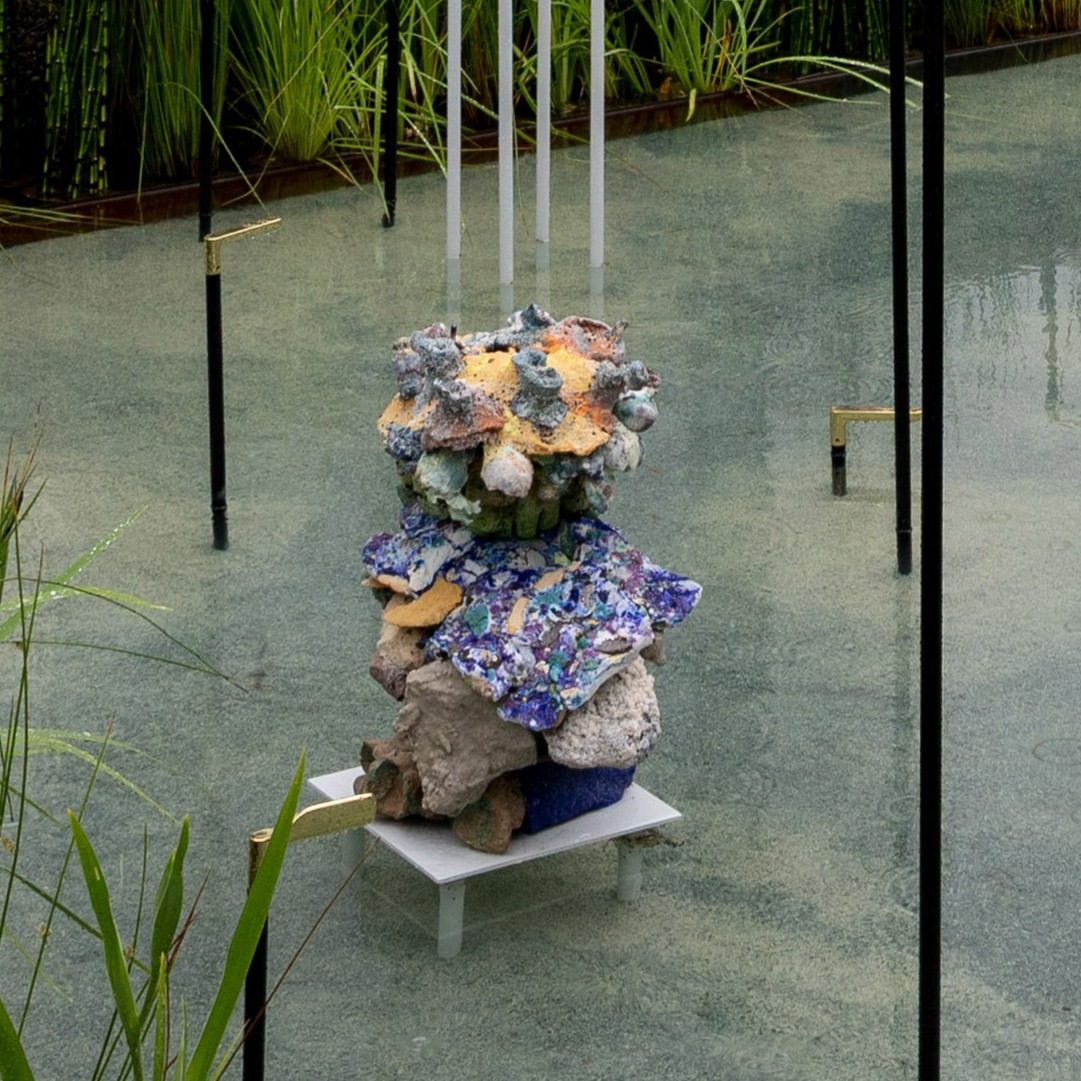
Positioned entirely outside the entrance in the pavilion's water basin, the work mirrors the ancient, wooden stilt-like pile foundations that physically hold up the city. The core of the installation is his UG (Untitled Glass-Sand) sculpture series, which features sedimentary structures created by fusing sand, glass, clay, and raw pigments. These crusts are integrated into a complex network of vertical metal pipes and conduits that rise out of the water.

At their tops, the pipes terminate in functional-looking hand-holds and handles, acting as poetic invitations. They prompt the audience to wonder if these structures serve as keys to unlock hidden subterranean worlds, or if they are merely markers of an unreachable, imaginary city.
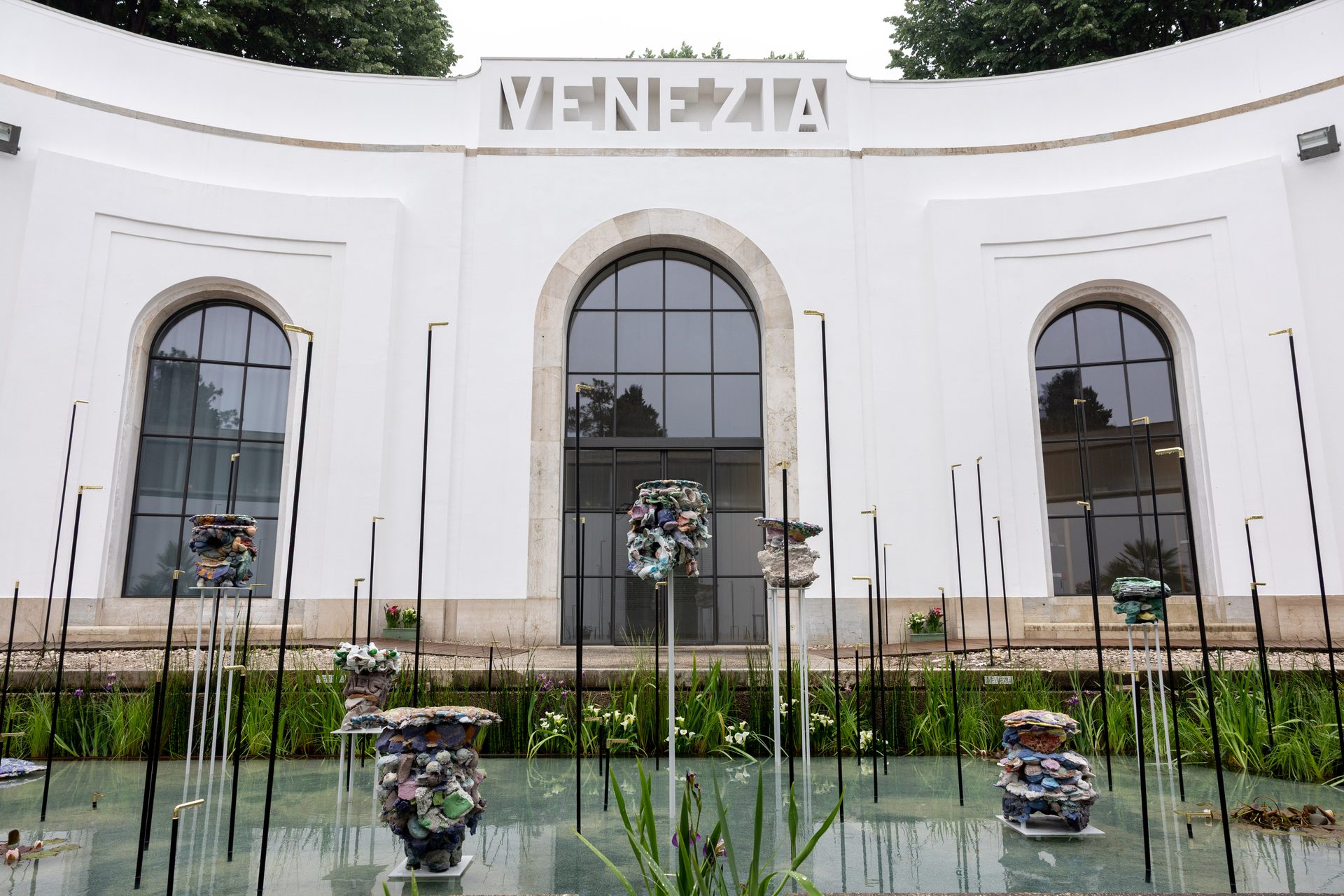
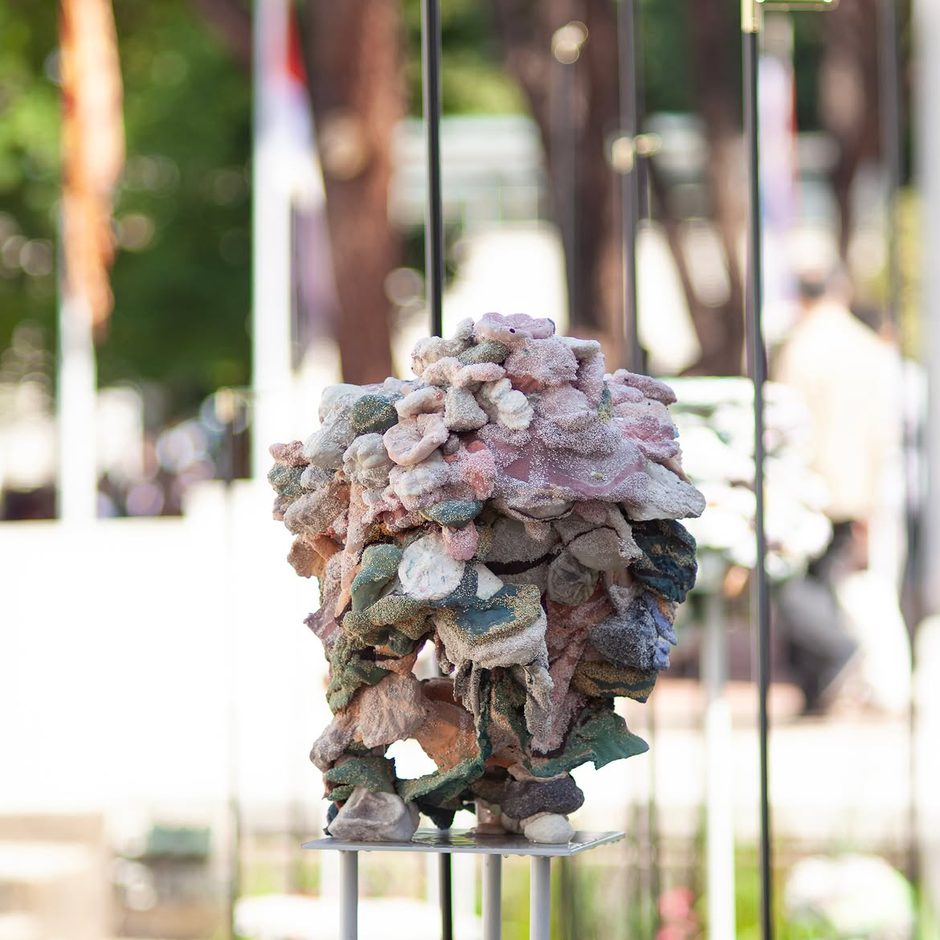
Emersasommersa — le sculture UG nella vasca davanti alla facciata del Padiglione Venezia
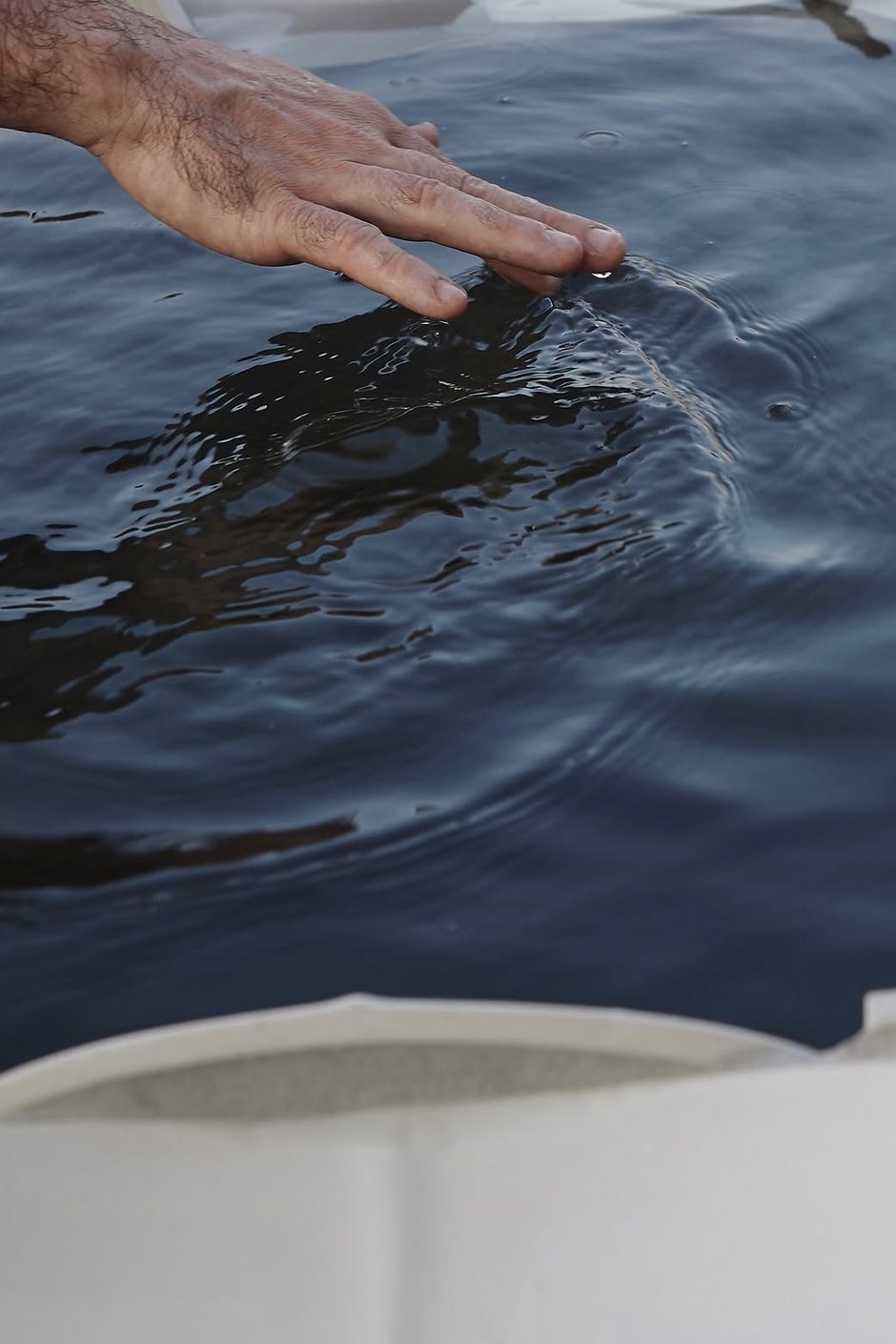
Scultura della serie UG esposta all'aperto Una mano sfiora l'acqua della vasca del padiglione
Emersasommersa nella vasca d'acqua del Padiglione Venezia

Alberto Scodro is an Italian artist whose sculptural installations fuse raw materials with physical processes of transformation to explore the relationship between human action and geological time.

Born in Marostica in 1984, Scodro trained as a restorer before earning a degree in Visual and Performing Arts from Venice's IUAV University. He has participated in several prestigious international residencies, including the Bevilacqua La Masa Foundation in Venice. His practice centers on co-opting industrial and natural processes—such as high-temperature firing, stratification, and crystallization—to turn everyday materials, minerals, and metals into complex, organic-looking structures. While deeply connected to the unique material culture of the Veneto region, his work achieves a universal significance by exposing the fragile, invisible forces that sustain our environments.

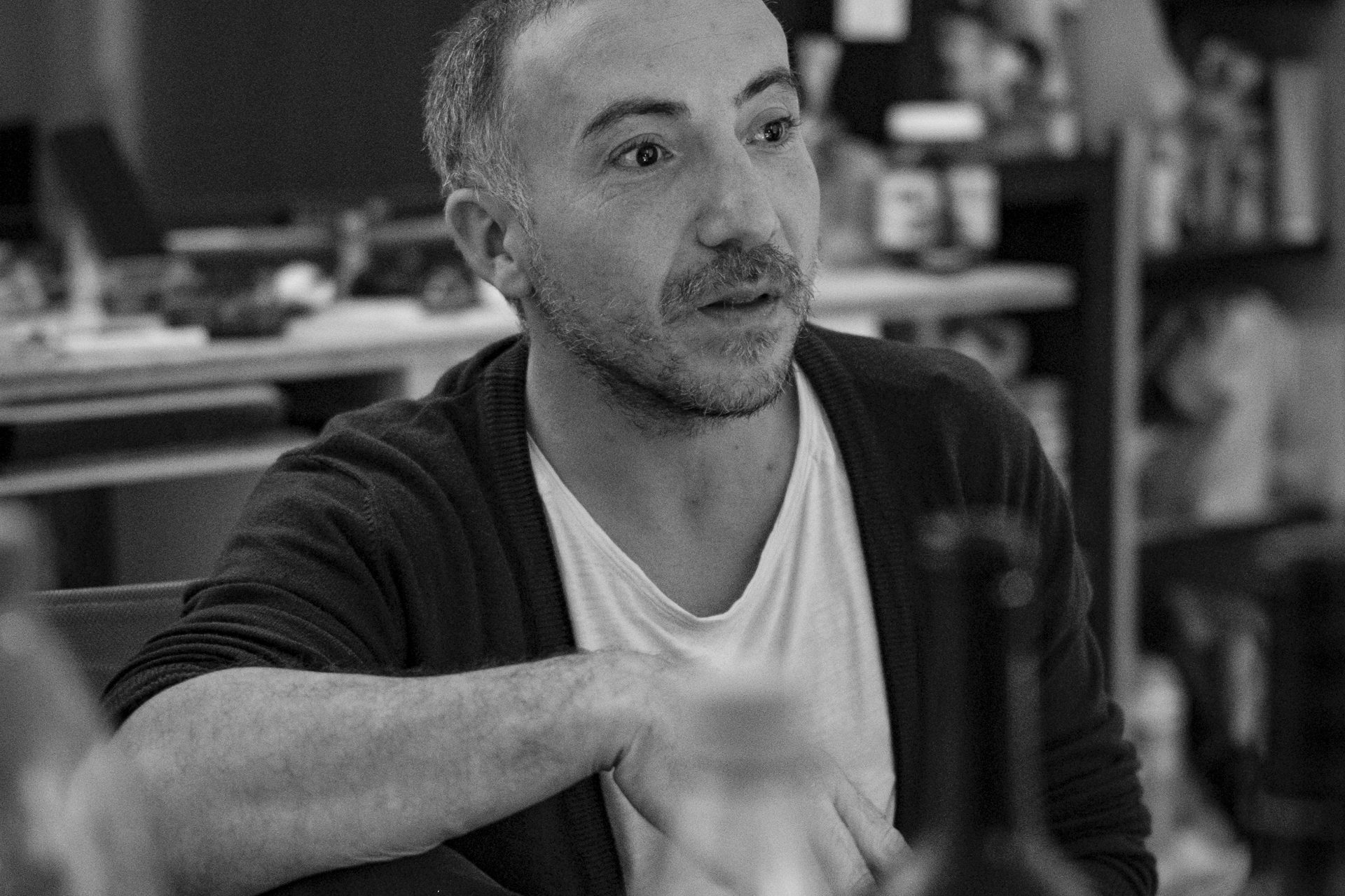
Alberto Scodro nel suo studio